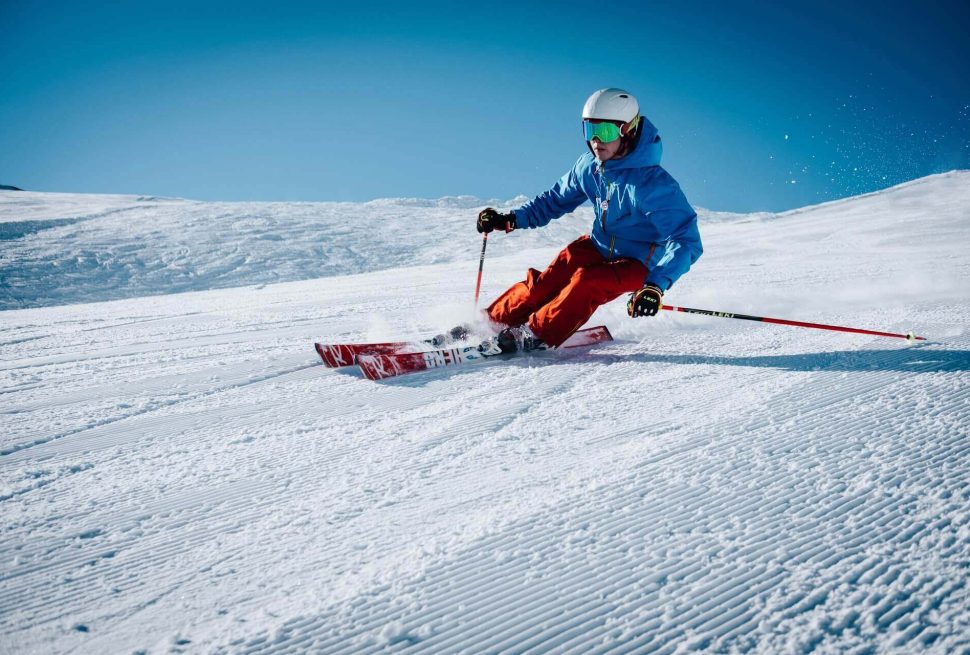
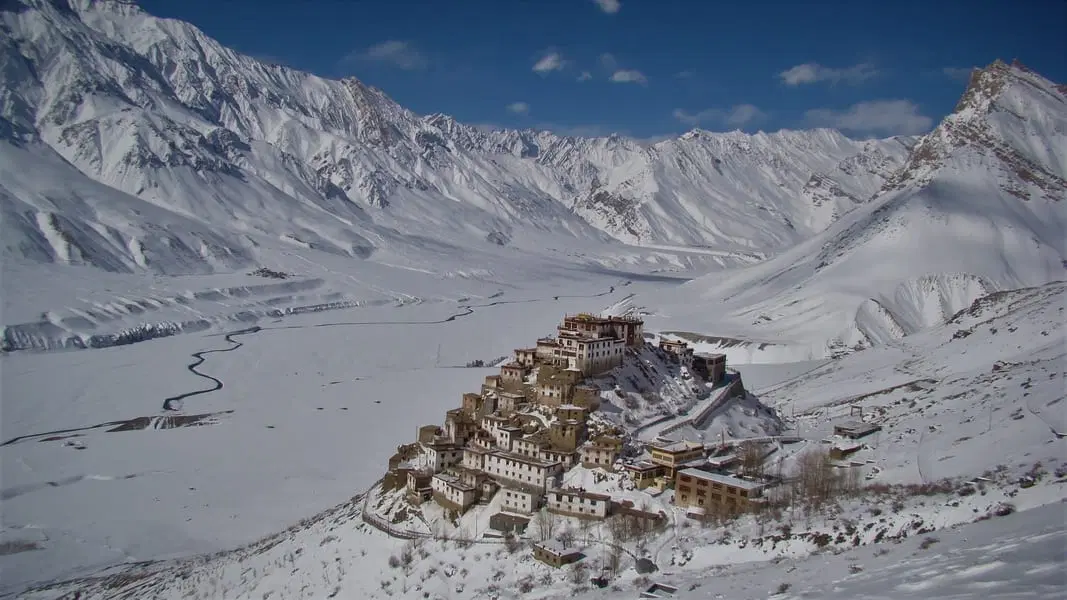
Imagine waking up to a world covered in white, mountains glistening under the sun, frozen rivers sparkling like glass, and villages so peaceful that even time seems to slow down.
That’s Spiti Valley in winters – raw, remote, and breathtakingly beautiful.
Often called “The Frozen Desert of India” and even recognized by UNESCO for its unique landscape, Spiti turns into a snow-covered wonderland between November and March. While most travelers visit during the summer, those who dare to explore Spiti in winter are rewarded with an experience that feels nothing short of magical.
If you’re planning a Winter Spiti Valley Tour Package from Delhi, here’s everything you need to know, from what makes it special to how to prepare for the journey of a lifetime.
The Magic of Winter in Spiti Valley
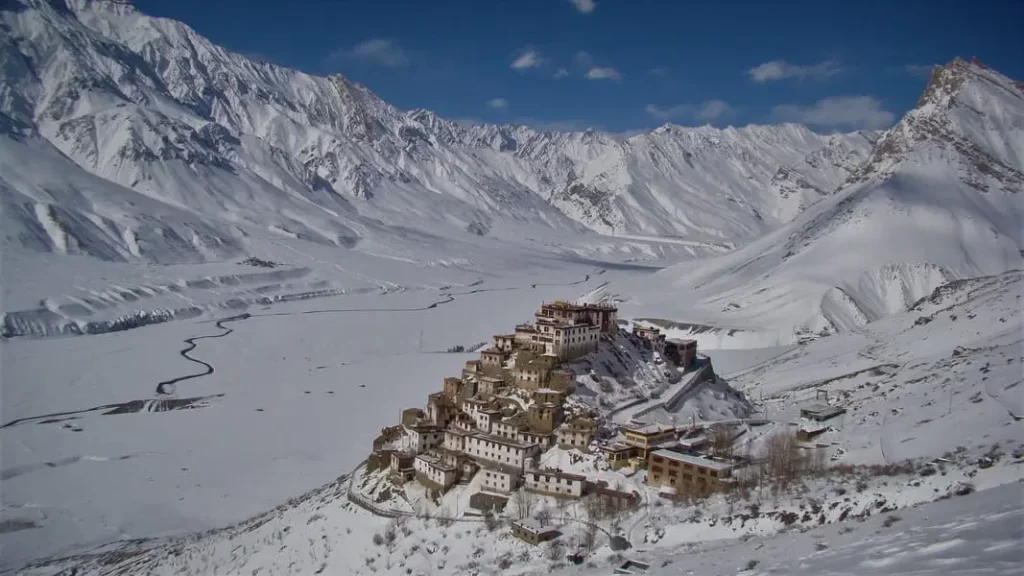
Spiti in winter isn’t just a destination, it’s an emotion. The landscapes transform into something straight out of a fantasy movie. Snow blankets the mountains, icicles hang from rooftops, and the silence feels sacred.
When you stand on the frozen banks of the Spiti River and breathe in the cold, crisp air, you realize how small and yet how alive, you are.
The valley, cut off from the rest of the world for months, offers something you rarely find in today’s busy life peace, stillness, and raw beauty.
Getting There: The Route from Delhi
Most winter trips to Spiti start from Delhi. The road journey itself is an adventure — one that takes you through changing landscapes and weather.
Here’s a common route for your Winter Spiti Valley Tour Package.
Delhi → Shimla → Narkanda → Kalpa → Nako → Tabo → Kaza
The Shimla route stays open longer during winter (unlike the Manali side which remains closed due to heavy snow at Kunzum Pass).
Each day on the road feels like stepping into a new painting — pine forests, snow-covered villages, and the mighty Himalayas keeping you company throughout the ride.
Places You’ll Explore on Your Winter Spiti Adventure
1. Chitkul – The Last Village of India
Known as “the last village of India near the Indo-Tibet border,” Chitkul looks straight out of a postcard in winter. Wooden houses with smoke curling out of chimneys, Baspa River frozen in time, and snowflakes swirling around — it’s pure bliss.
Spend your day sipping hot tea with locals and walking around the sleepy lanes wrapped in snow.
2. Nako – The Frozen Lake Hamlet
As you drive towards Nako, you’ll notice how the landscape changes, trees disappear, and the air gets thinner. The highlight here is the Nako Lake, which freezes completely during winter. The locals even walk across it!
You can visit the Nako Monastery, one of the oldest Buddhist monasteries in the region, and enjoy traditional Tibetan food cooked fresh in homestays.
3. Tabo – The Monastery of a Thousand Years
Tabo is often called “Ajanta of the Himalayas.” Its 1,000-year-old monastery stands quietly against snow-covered cliffs, guarding ancient Buddhist art and scriptures.
Visiting Tabo in winter feels surreal, the quietness, the prayer flags dancing in the icy wind, and the monks meditating inside mud-walled halls make it an unforgettable stop.
4. Kaza – The Heart of Spiti
Kaza is the main town and your base in Spiti Valley. In winter, it turns into a snow paradise with white roofs and silent streets.
This is where you’ll find warm cafés, smiling locals, and stories that stay with you forever. From Kaza, you can explore nearby villages and monasteries.
5. Langza, Hikkim & Komic – The High Villages of the World
These are the jewels of Spiti Valley, each village offering a story of survival and simplicity.
- Langza: Known as the fossil village and guarded by a giant Buddha statue overlooking the valley.
- Hikkim: Home to the world’s highest post office. Sending a postcard from here in winter is a once-in-a-lifetime experience.
- Komic: One of the world’s highest villages with only a handful of residents — imagine sharing tea with locals while snow gently falls outside.
6. Kibber & Key Monastery – The Soul of Spiti
The Key Monastery, perched on a hill, looks even more majestic under a blanket of snow. Prayer flags flutter in icy winds, and chants echo through the valley.
Nearby, Kibber Village is famous for being one of the best places to spot the elusive Snow Leopard during winter a dream for wildlife lovers.
Why You Should Visit Spiti in Winters?
1. Witness the Real Spiti
In summer, Spiti gets crowded. But in winter, you’ll meet the real valley, calm, untouched, and deeply spiritual. Every conversation with locals feels more personal, every experience more authentic.
2. A Photographer’s Dream
From frozen waterfalls to dramatic mountain shadows, winter Spiti offers frames you won’t find anywhere else. Even a phone camera captures magic here.
3. Snow Leopard Sightings
Spiti is one of the few places in the world where you can spot the rare snow leopard in its natural habitat during winter months (Jan–March).
4. Experience Local Warmth
Despite the freezing temperatures, the warmth of Spitian hospitality will melt your heart. Sitting around a bukhari (wood heater) and sharing stories over butter tea — it’s a memory you’ll cherish forever.
Things to Keep in Mind Before You Go
A winter trip to Spiti needs preparation. Here’s what you should know before booking your Winter Spiti Valley Tour Package from Delhi:
✅ Weather
Temperatures drop to -15°C or lower, especially at night. The cold is real but manageable with the right gear.
✅ What to Pack:
- Heavy woollens and thermal layers
- Waterproof snow boots and gloves
- Sunscreen and lip balm (yes, even in snow!)
- Power banks and basic medicines
- Insulated water bottles
✅ Accommodation
Most hotels close in winter, but homestays remain open, giving you a cozy, local experience. Don’t expect luxury; expect warmth and authenticity.
✅ Roads & Travel
Roads can get slippery. Always travel with an experienced driver who knows the winter routes. Keep buffer days in your plan in case of weather delays.
✅ Connectivity
Phone signals are limited. BSNL works best in some parts. Carry cash since ATMs may not function.
✅ Health
Drink lots of water, avoid alcohol at high altitudes, and take it slow to prevent altitude sickness.
Life in Winter Spiti – Slow, Simple, Soulful
In winter, life in Spiti slows down. People gather indoors, cook together, and share stories. You’ll see children sliding on frozen paths, women carrying firewood, and monks walking silently to prayer halls.
There’s no rush here – only stillness and smiles. That’s what makes Spiti so special in winter, it humbles you, grounds you, and reminds you how beautiful simplicity can be.
Final Thoughts – The Call of the Frozen Desert
A Winter Spiti Valley Tour isn’t for everyone, it’s for those who crave adventure, solitude, and stories worth telling.
But is it worth it?
Absolutely, one hundred percent, yes! A winter Spiti trip is a badge of honor. It’s a journey that pushes you, changes you, and leaves you with stories you’ll be telling for the rest of your life. The stark white beauty and profound silence of the valley will be etched in your memory forever.
Planning such an extreme expedition requires expertise and meticulous attention to safety. If you feel overwhelmed, don’t worry. For those starting their adventure from the capital, a specialized Travel Company should be choosen for Winter Spiti Tour who can handle all the logistics, from the right vehicle to certified guides and cozy homestays, so you can focus on the incredible experience.
So, are you ready to answer the call of the white wilderness? ✨